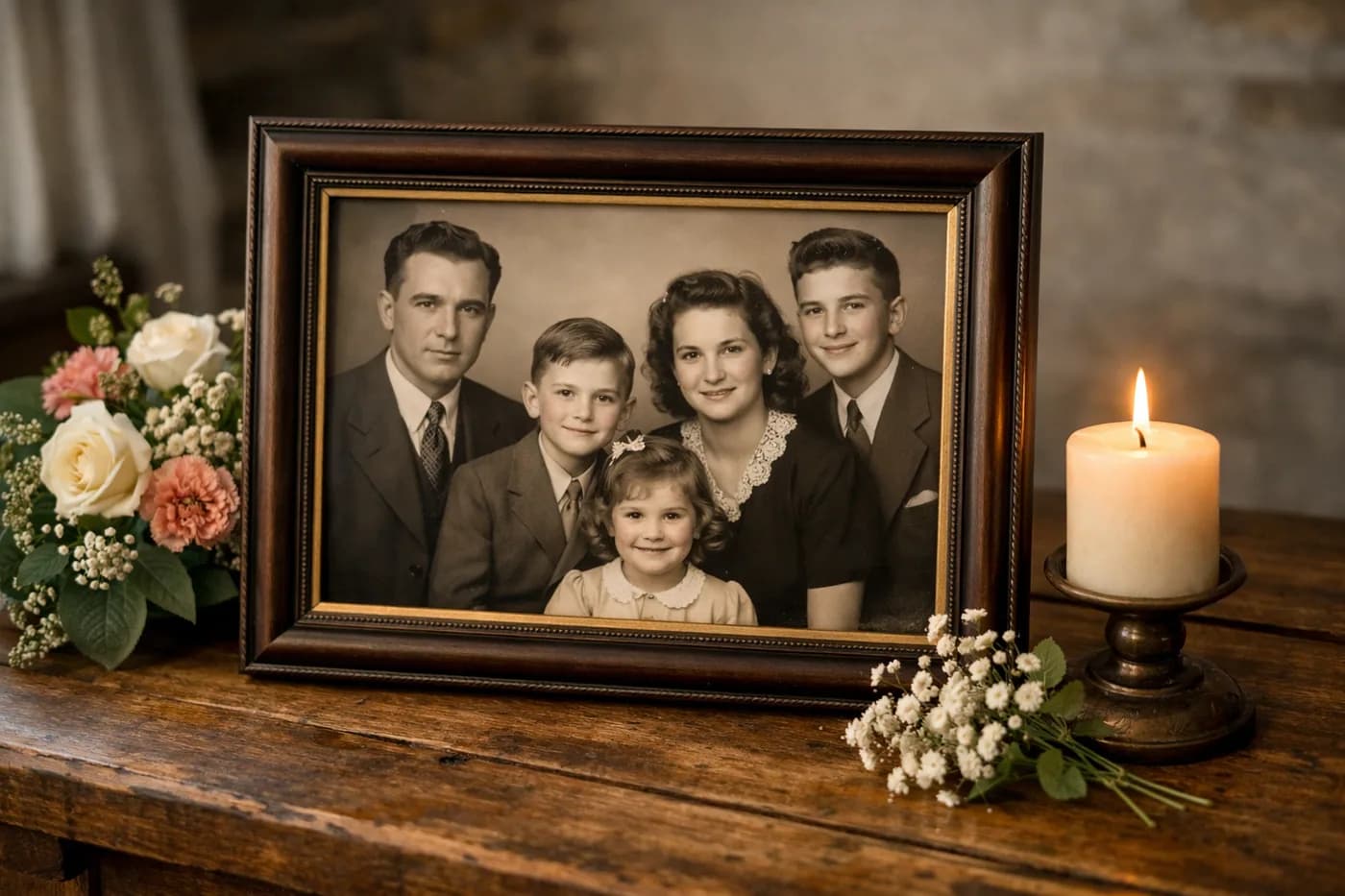
Knowing how to store old photos is crucial for preserving cherished family memories and keeping your personal history alive. With a few practical steps—choosing the right materials, storing them correctly, and digitizing—you can ensure your photos stand the test of time without losing quality or sentimental value.
Why Properly Storing Old Photos Matters
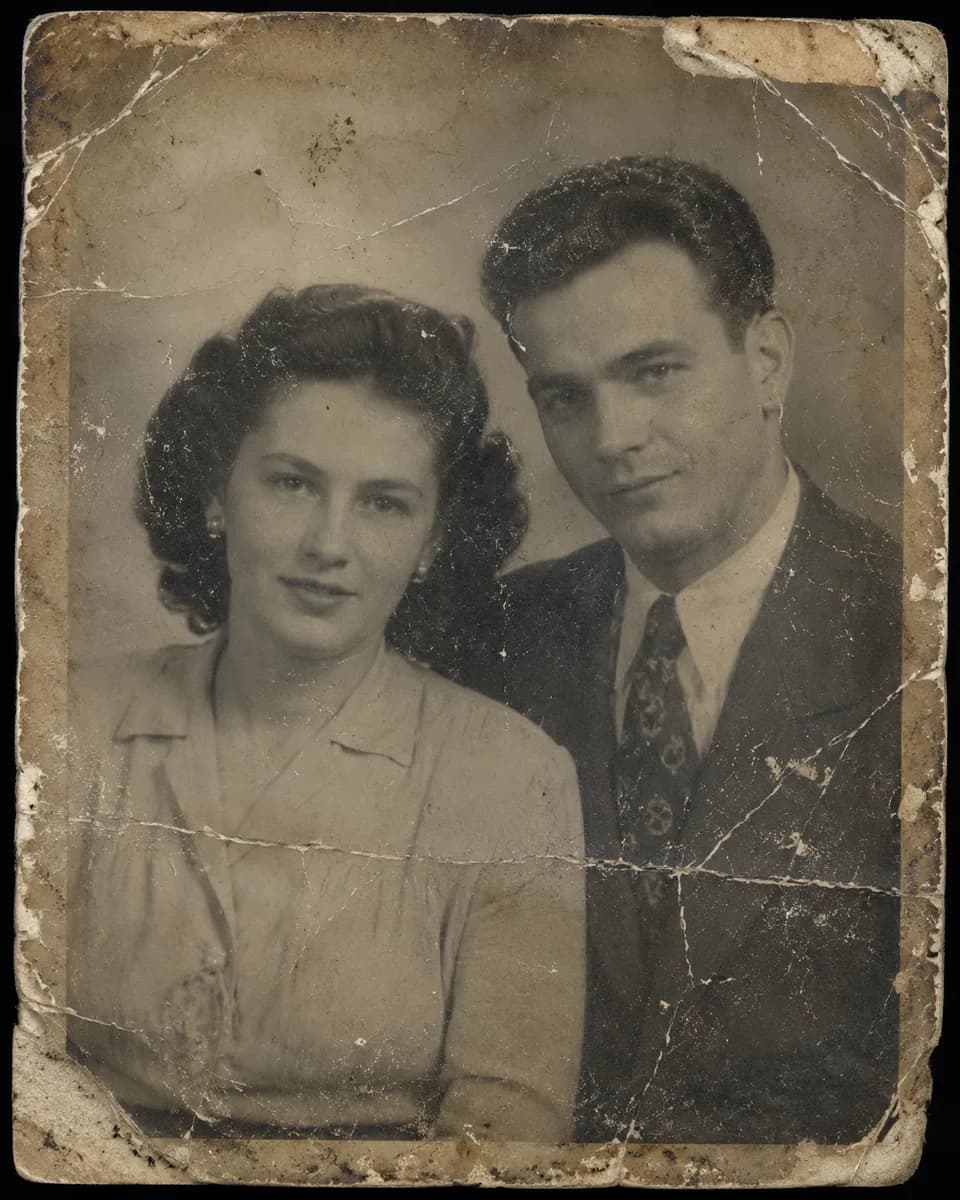
Old photographs are delicate: the paper, inks, and chemical processes used to create them make them vulnerable to light, humidity, mold, and the passage of years. Mishandling or poor storage can cause irreversible damage, such as stains, fading, tears, or even total loss of the image. That’s why understanding how to store old photos safely is essential for anyone wanting to preserve their family history.
The Best Materials for Safely Storing Old Photos at Home
The first step is to use archival-quality storage materials:
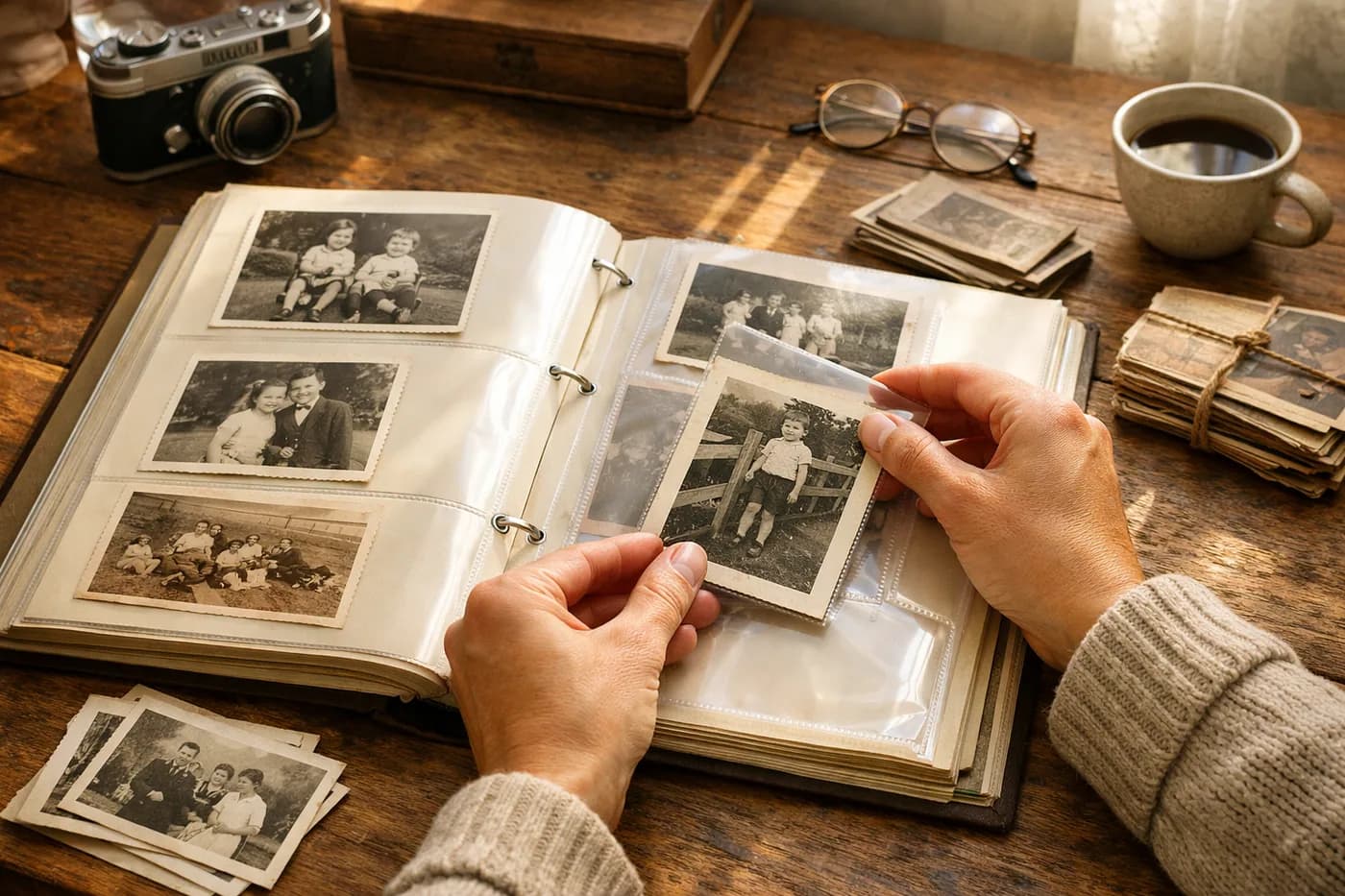
- Photo albums for old pictures: Look for albums with acid-free, PVC-free pages, ideally with archival paper separators. Polypropylene or polyester sleeves are best to prevent direct contact with the photo surface.
- Storage boxes: Use acid-free cardboard boxes or special archival photo boxes. Avoid regular cardboard or low-quality plastic containers.
- Individual sleeves: Clear polyester, polyethylene, or polypropylene sleeves offer extra protection for loose photos.
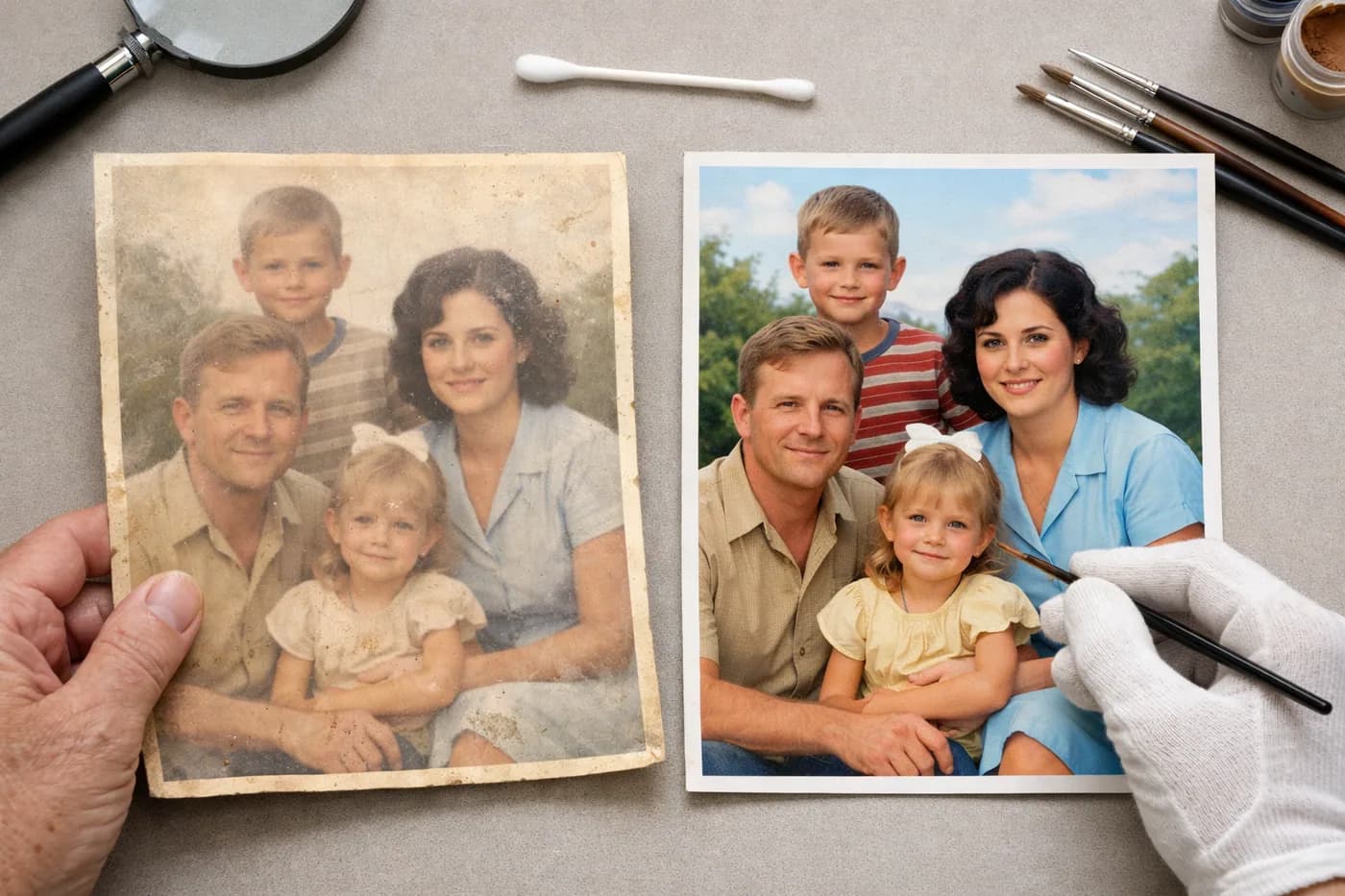
- Cotton gloves: It’s best to handle photos with gloves to avoid fingerprints or oils from your skin.
Environmental Conditions: Temperature, Humidity, and Light
Where you store your photos is as important as the materials you use. Aim for a stable and safe environment:
- Temperature: Ideally, keep photos between 59 and 68°F (15–20°C). Avoid places with drastic temperature changes, like attics or basements.
- Humidity: Maintain relative humidity between 30% and 50%. Too much moisture can lead to mold, while very dry air can make paper brittle.
- Light: Store photos in a dark or dimly lit area. Direct sunlight, especially, speeds up fading.
Where Should You Store Old Photos?
Avoid areas prone to moisture, heat, or insects, such as kitchens, bathrooms, attics, or garages. An interior closet, under the bed, or a closed shelf in a cool room are usually better choices.
How to Handle Old Photos Safely
Improper handling is one of the most common causes of damage. Keep these tips in mind:
- Wash your hands thoroughly or use cotton gloves before touching any photo.
- Hold photos by the edges, never by the image itself.
- Don’t use paper clips, rubber bands, or glue, as they leave marks and residue.
- Avoid bending or stacking photos excessively.
Digitizing: The Best Long-Term Protection
Even with the best materials and care, nothing protects your photos better than proper digitization. This way, you’ll always have a backup you can restore, share, or reprint whenever you want. You can scan them with a home scanner or, if you don’t have one, use your phone’s camera. To make sure your digital copy is as true to the original as possible, follow these tips:
How to Scan or Photograph Old Photos
- Resolution: Scan at a minimum of 600 dpi. If using your phone, aim for the highest possible resolution.
- Lighting: Use indirect natural light. Avoid glare and shadows by positioning the photo near a side window or using a diffused lamp.
- Framing: Place the photo on a neutral background and frame it so it’s straight and free from distractions.
- Keep the camera parallel: This prevents distortion.
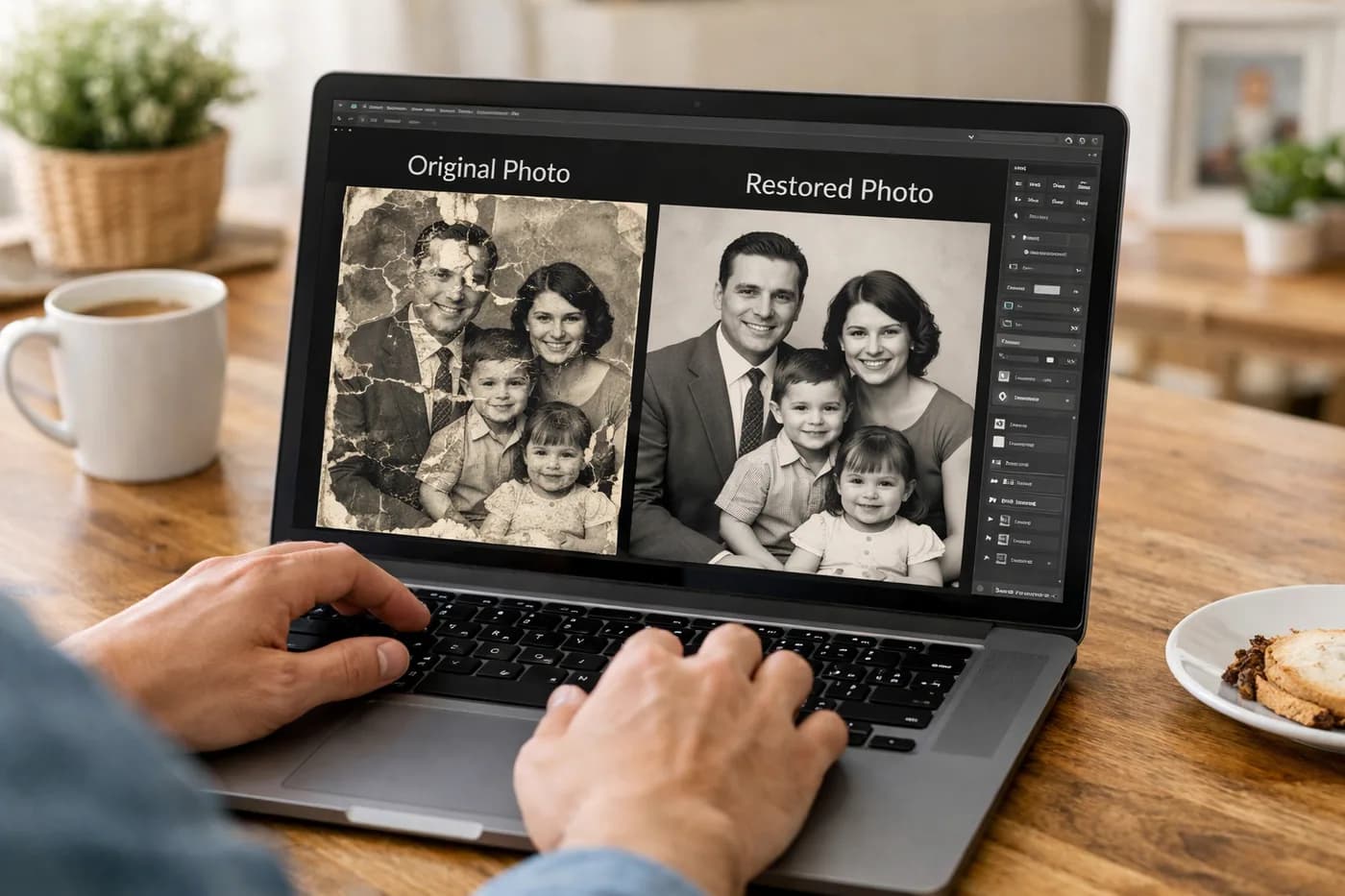
If your photo is damaged, blurry, or stained, try improving the quality online for free with tools like Naiara.
Common Mistakes That Ruin Old Photos
- Storing photos in albums or boxes made from acidic or low-quality materials.
- Sticking photos directly into albums with regular adhesives.
- Exposing them to sunlight or heat sources.
- Not digitizing: fire, flooding, or theft could mean losing your originals and memories forever.
Choosing the Right Album to Store Old Photos
Investing in a high-quality album is key to long-term preservation. Look for albums with acid-free pages and sleeves, enough space so photos don’t bend, and separators to prevent them from touching. For inspiration on organizing your family memories, check out these keepsake ideas.
What If You Want to Restore or Print Old Photos?
Once digitized, you can use AI to restore them, remove scratches, add color, or even erase unwanted objects. Afterwards, print them in unique formats for gifting or decorating. Your memories will look brand new—ready to share and preserve.
FAQs About How to Store Old Photos
How to store old photos without them deteriorating?
Use acid-free, archival materials, keep photos in a cool, dry place, and handle them with gloves or clean hands. Digitizing is essential for a permanent backup.
Where is the best place to store old photos?
Choose an indoor spot without direct sunlight, with stable temperature and low humidity. Closed closets or shelves in cool rooms are ideal to avoid damage from heat, moisture, or insects.
What type of album is best for storing old photos?
The album should be acid- and PVC-free, with polyester or polypropylene sleeves and enough room so photos don’t bend or touch each other. Archival-quality albums best protect your memories.
Why is it important to digitize old photos?
Digitizing protects your photos from any accident or physical deterioration. It also lets you restore, enhance, and easily share them with family or friends in digital format.
How can you prevent old photos from fading?
Store them away from sunlight and in controlled humidity and temperature. Avoid heat sources and use quality archival materials.